
Democracy, Debate and a Touch of Chaos at Folkemødet
This year’s Folkemødet (The Democracy Festival) on Bornholm was, as always, a wonderful and slightly chaotic mix of activities, debates, entertainment, tiny grassroots initiatives and major organisations, politicians, journalists and, above all, thousands of participants eager to soak up the atmosphere, gain inspiration, debate, and hold on to a sense of hope for the future.
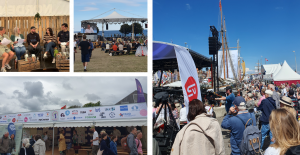
I was fortunate that the Nordic welfare Centre (NWC) / The Nordic Council of ministers invited me to present the working group Nordisk Samarbejde om et Sikrere Digitalt Demokrati for Børn og Unge (Nordic Collaboration on securing a safer digital democracy for children and youth) in the Nordic Council’s tent (Nordens telt). I joined a panel alongside some inspiring young people from Ada, DUF (The Danish Youth Council), and E-Sport DKs digital respect project The Wednesday Club. Martin Ruby, Director for Public Policy for Nordic Countries at Meta / Facebook joined as a bit of a surprise (also for the moderator). The TV-host Sofie Østergaard was an engaged and well-prepared moderator who guided the conversation skillfully.
The discussion generated many valuable insights into both the challenges and opportunities surrounding young people’s democratic participation. Unfortunately, a significant part of the debate focused on social media, its potential impact on young people and the arguments for and against various forms of regulation or bans. Nevertheless, the overall conversation was productive and thought-provoking. The panels that followed the one I participated in, featuring young people from grassroots movements working to engage and mobilise youth, as well as a group of young Greenlandic military conscripts, did an excellent job of highlighting the democratic challenges young people face at both the local and societal level.
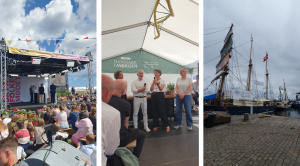
It is no secret that, although Folkemødet attracts many thousands of visitors every year (approx. 55.000 in 2026) along with a vast array of organisations and influencers of every kind, attending remains something of a privilege. First, you need to be able to travel to Bornholm. Fortunately, the bus connections make the journey both reasonably affordable and accessible, provided there are seats available. Then you need to find accommodation at a manageable price, which is no small task given the often-extraordinary rates charged during the event. Finally, you need physical stamina and the right mindset to navigate the crowds, the packed programme and the constant movement from one venue to another.
Despite these barriers, I firmly believe the event continues to serve an important purpose. It brings us together to discuss the conditions and future of democracy, whether the topic is homelessness, sustainable production, the impact of AI on the labour market of tomorrow, or the establishment of massive data centres in regional communities. Media coverage is intense, and there is something refreshingly equalising about standing in line for food, toilets or flights alongside both public figures and ordinary citizens.
It is also worth remembering that Folkemødet’s impact extends far beyond the days spent on Bornholm. Considerable preparation takes place in local communities and organisations throughout the year. For many young people in particular, the event offers a unique opportunity to listen to and engage directly with experts, politicians, journalists and advocates from across society. It also gives them a chance to experience democratic deliberation and participation in practice rather than simply learning about it in theory.
Later this year, I will also be visiting Ungdommens Folkemøde (The Youth Democracy Festival), which takes place over two days in Valbyparken, Copenhagen, in September. It is a smaller event, but no less important.